Toy safety regulations are not written for the children you work with.
ToyScope is a community-led, open project focusing on toy safety for children with disabilities and neurodivergence. In includes videos, guides, monthly recall roundups, research summaries, and more.

Most risk assessment processes in professional settings do not cover toys specifically. Not where they came from, not whether the safety marking means anything for a child who mouths everything, not how to assess something that is technically compliant and completely wrong for the child who will use it.
UK toy safety regulations were written around a typically developing child. They do not account for neurodivergent children, mixed-ability groups, or children who interact with objects in ways the manufacturer did not design for. A toy can pass every test and still be the wrong toy.
In 2021/22, OPSS tested 2,260 products from online marketplaces and found 81% were non-compliant. Toys remain the second-largest category of product recalls and safety notifications on the OPSS Product Safety Database.
In a nutshell, the regulations do not cover the children you work with, and the products your budget pushes you toward are the most likely to be non-compliant to begin with.
That gap is what this project is about. It's a small project, and it is not going to close the gap. But someone needs to start it.
Your Toy Safety Essentials
Unlike most other platforms, all that you find here is easy to access and free, with no registration, no email address, and no download form. You will find three types of free resources, covering the fundamentals of toy safety, specialist guidance on mouthing behaviours beyond typical age ranges, and monthly UK recall roundups from the OPSS Product Safety Database.
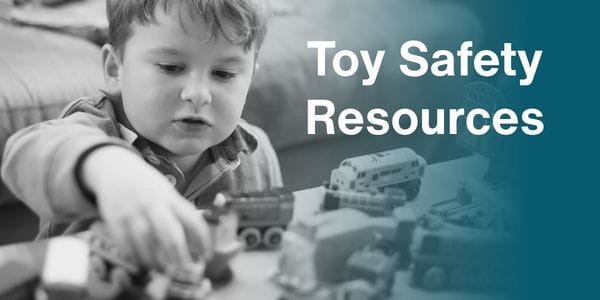
Nine videos, about an hour and a half, covering UK safety markings, risky versus dangerous play, buying new and buying second-hand, and what changes in a SEN setting
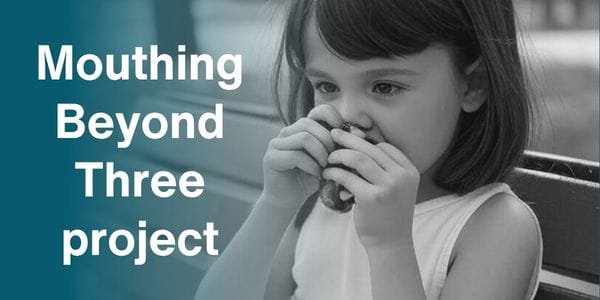
A specialist resource for professionals and families supporting children who continue mouthing objects beyond age 3
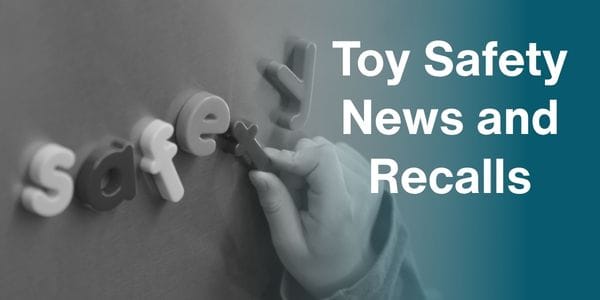
Every month I check the OPSS Product Safety Database and publish a summary of the UK toy alerts worth acting on, with photos and guidance for professional settings. Join the mailing list and it arrives direct to your inbox.
Research
Toy safety testing rests on assumptions about how children handle objects: the small parts tester, age grading and the 3+ label (36-month threshold). All of it is fundamentally built around a typically developing child, and very little of it has been revisited since.
While I am writing an integrative review on this for a research journal, I also want to share an annotated reading list of the literature I use, for those of you who are curious and want to dig deepern into this topic.
Monthly toy recall roundups
Every month, I go through the Office for Product Safety and Standards Product Safety Database and pull out the UK toy alerts worth acting on. Photos, what the hazard actually is, and a note on what it means if you've got one of these in a setting with mixed-ability children.
If you prefer it directly in your inbox, sign up on the form.
By subscribing, you agree to receive regular emails from ToyScope, and to our privacy policy. No spam. Your data stays with me, and every email has a one-click unsubscribe.
Who is this for?
Families, first. Parents and carers working out whether something is safe for their own child, usually without much help and often after being told the answer is simply no.
Also the people making these decisions professionally and then having to justify them: occupational therapists, SENCOs, early years staff, play therapists, speech and language therapists, and anyone responsible for what goes into a setting.
Who made this?
I did! My name is Sara Muršić. I have a PhD in Education, a background in special education, and I love a good side quest. In the last few years, my quest was this one narrow problem: what happens when toy safety standards meet the children they weren't written for.
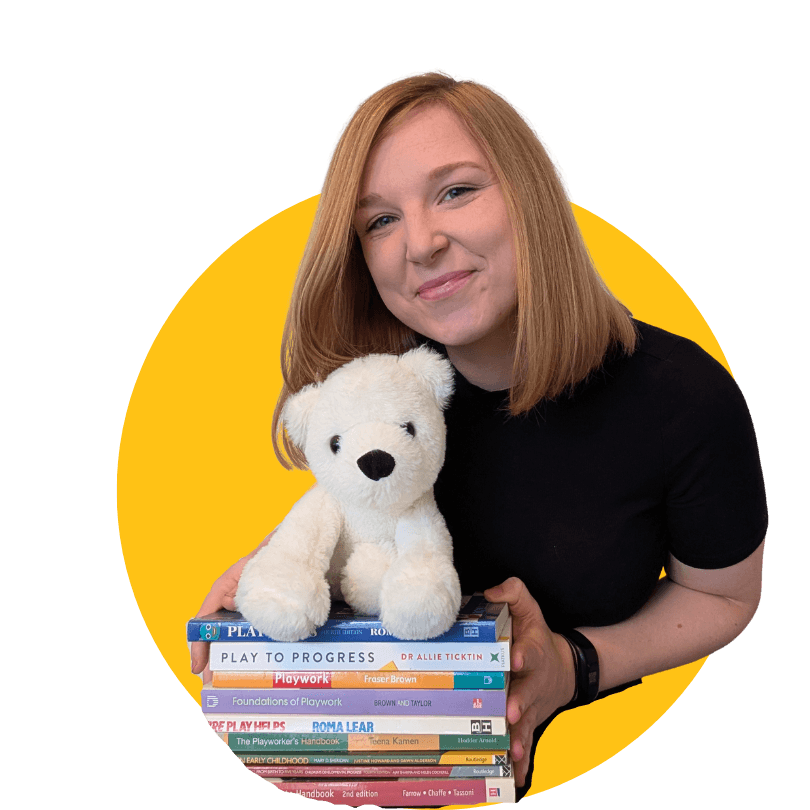
Toy safety is a dynamic process, rather than a single rule. Each child, family, space, toy and situation is different, so I am not teaching rules, but skills for making safety decisions in a moment. ToyScope is a passion project. Nothing on this site is for sale. Everything here is free to use, copy and adapt, including in school and workplace training. Please don't resell it.