Mouthing Beyond Three FREE Video Course
Welcome to the Mouthing Beyond Three video course, your comprehensive guide to understanding and supporting individuals who mouth objects beyond early childhood.
These videos bring together lived experience, expert knowledge, and practical demonstrations to help you make informed safety decisions. You'll hear directly from families who've navigated these challenges, learn from specialists across neurodiversity and product safety, and gain hands-on skills, including life-saving emergency response techniques.
Mouthing is not a phase that always ends at three. For many neurodivergent individuals (particularly autistic people, those with ADHD, learning disabilities, or sensory processing differences), oral sensory input remains an essential way of regulating, focusing, and understanding their world throughout childhood and into adulthood.
Research shows that around a third of autistic children aged 3–16 regularly mouth toys and other objects, with up to 87% of autistic preschoolers engaging in oral behaviours like teeth grinding and object mouthing. This is significantly higher than the less than 10% seen in non-autistic children.
The challenge? Current UK toy safety regulations assume children stop mouthing at age three. Toys labelled "3+" are designed and tested for minimal oral contact. This creates a significant safety gap for individuals who continue intensive mouthing well beyond this age.
This course exists to bridge that gap – providing families, educators, and professionals with the knowledge to make informed safety decisions based on individual needs rather than manufacturer age labels alone.

On 19 July 2023, Louis Rawlinson was at his day centre using one of his favourite sensory toys – a soft, squishy ball he'd used safely for years. That day, the 6.5cm ball became lodged in Lou's throat. Despite every effort to help him, Lou died six days later. He was 27 years old.
Lou's mum, Andrea Buckley, describes him as "a proper character, full of personality with a wicked sense of humour." Everyone who knew Lou loved him. Andrea now shares Lou's story so that other families might be spared this heartbreak, and campaigns for better safety warnings on sensory toys through Lou's Legacy.
This interview grounds our entire project in the real impact of the safety gap we're addressing. Andrea's message is clear: even familiar, trusted items can become dangerous. Vigilance matters, even with toys that have been safe for years.
"If it saves one life, Lou's legacy was worth it." – Andrea Buckley
Join Andrea's mission and support her work:
Facebook page ¦ Instagram page
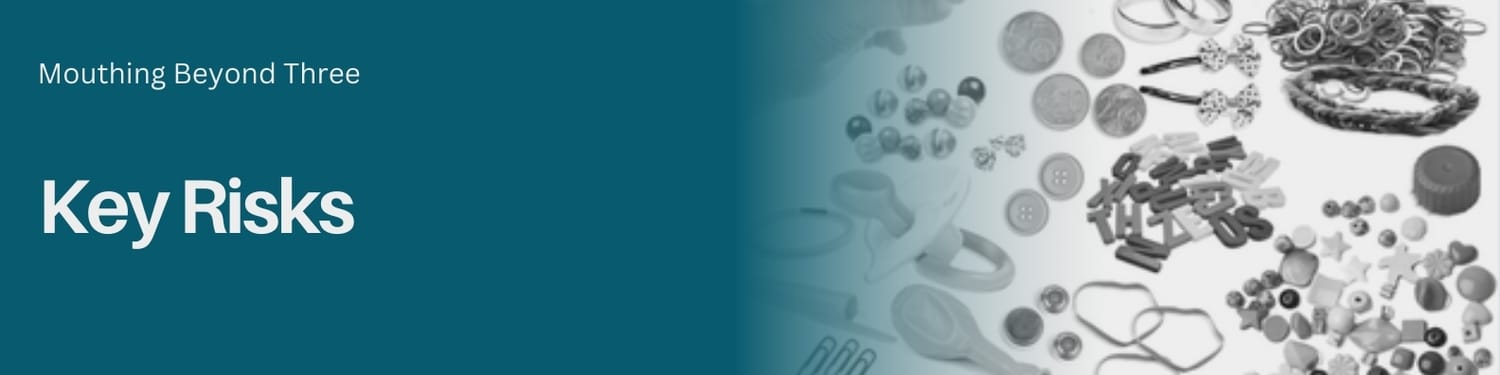
Choking on small parts is the primary risk for anyone who mouths objects. Understanding what makes something a choking hazard goes beyond simple size – it depends on three critical factors:
Size: Can it fit entirely in the mouth or throat? UK regulations use the Small Parts Cylinder (31.7mm diameter) to test toys for under-3s. You can use a toilet roll tube as a home alternative. However, for older individuals, larger items can also pose risks as their mouth cavity is bigger.
Shape: Does it have a shape that could lodge in the airway? Round, oval, or cylinder shapes are particularly dangerous.
Material: Could it compress, break apart, or degrade into smaller pieces during mouthing?
Items that don't fit through the tube can still be dangerous if they break or compress during mouthing, degrade over time into smaller pieces, or have parts that detach with use.
Remember: materials break down faster with constant mouthing. Saliva, chewing, and temperature changes damage toys. A toy that was safe last week might not be safe today.
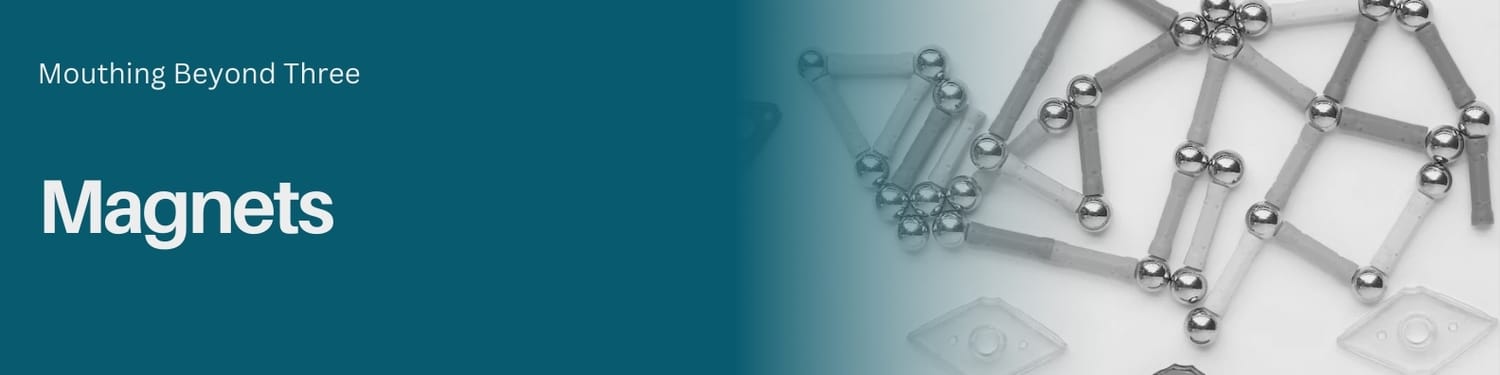
High-powered magnets are one of the most dangerous items that can be swallowed. If someone swallows two or more magnets (or a magnet and a metal object), they can attract to each other through the intestinal walls, causing tissue damage, blockages, and potentially fatal complications. Surgery is often required.
Where magnets hide:
Magnetic building toys
Magnetic dress-up dolls and accessories
Fridge magnets
Magnetic jewellery
Some fidget toys and sensory items
Magnetic desk toys
Critical safety steps:
Do not have magnetic toys accessible if someone mouths objects
Keep all fridge magnets and magnetic items out of reach
Check existing toys carefully – some have hidden magnetic parts
Magnets do not show clear symptoms immediately but can cause serious internal damage
If you suspect magnet swallowing, go to A&E immediately (even if they seem fine). Do not wait.
The Office for Product Safety and Standards (OPSS) has issued warnings about high-powered magnets. Even magnets that comply with toy safety standards can be dangerous if multiple pieces are swallowed.
Button or coin batteries are extremely dangerous if swallowed. They react with saliva to create a strong alkaline substance identical to caustic soda (the chemical used to unblock drains). If swallowed, they can burn through tissue in as little as 2 hours, causing internal bleeding or death.
Where button batteries hide:
Remote controls
Musical greeting cards
Flameless candles
Flashing shoes and jewellery
Key fobs
Games and toys
Thermometers and bathroom scales
Hearing aids
Essential precautions:
Store spare batteries in a locked container, out of reach
Check that battery compartments are secured with screws (not just clipped on)
Use strong tape over battery compartments as extra security
Inspect items monthly – compartments can become loose over time
If someone swallows a button or coin battery, call 999 immediately. Every minute counts.
The OPSS has comprehensive guidance on button battery safety, including which products to check and how to secure battery compartments properly.

Water beads are polymer balls that absorb liquid and expand up to 400 times their original size. When dry, they look like small, colourful sweets. The OPSS issued a safety alert in 2024 warning that water beads pose serious risks, particularly for young children and vulnerable adults.
Why they're dangerous:
They expand inside the body, absorbing fluids
They don't show up on X-rays, making diagnosis difficult
They can block the throat or intestines
They require surgery to remove
Where water beads appear:
Sensory toys
Craft supplies
Home décor items
Garden products
Critical guidance:
Do not have water beads in your home if anyone mouths objects or toys
Check sensory toy boxes – water beads are sometimes included
OPSS advises keeping water beads away from children under 5 and only using them with older children or vulnerable adults under close supervision
From 2007–2022 in the USA, water beads contributed to an estimated 8,000 A&E visits among individuals under age 20. Whilst we don't have similar data for the UK, the same products have been linked to serious harm.
If someone has swallowed water beads, go to A&E immediately and tell them specifically what was swallowed.
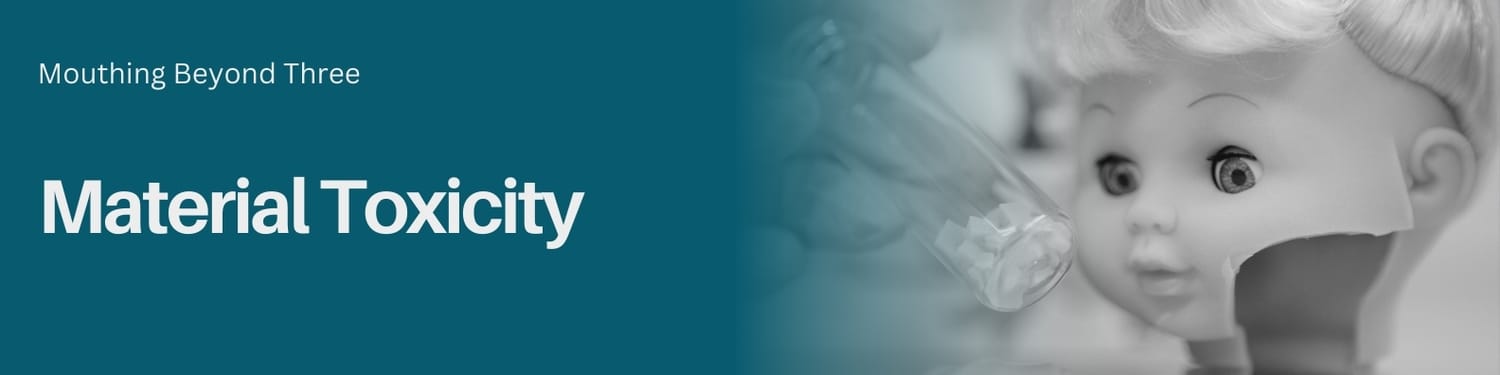
Not all materials are safe for intensive mouthing. Some plastics contain chemicals that leach out with saliva contact, while others degrade quickly and can harbour bacteria. Understanding which materials are safest helps you make informed purchasing decisions.
Safest materials for mouthing:
Food-grade silicone: Durable, easy to clean, doesn't harbour bacteria
Natural (untreated) wood: Solid hardwoods only, properly finished
Natural rubber: If no latex allergies present
Hard plastic (BPA-free): Look for EN71-3 certificate confirming chemical safety
Materials to avoid:
Soft, squishy plastics: Often contain phthalates and degrade quickly
Foam: Breaks down into pieces, impossible to fully clean
Slime: Unknown chemical composition, contamination risk
Unknown materials: If you can't identify it, don't risk it
Warning signs of material degradation:
Surface becoming sticky or tacky
Surface peeling or flaking
Colour changes or fading
Strange or chemical smell
Cracks or visible damage
When materials break down, they can release harmful chemicals and create choking hazards as pieces detach. Regular inspection and replacement are essential for items that receive intensive mouthing.
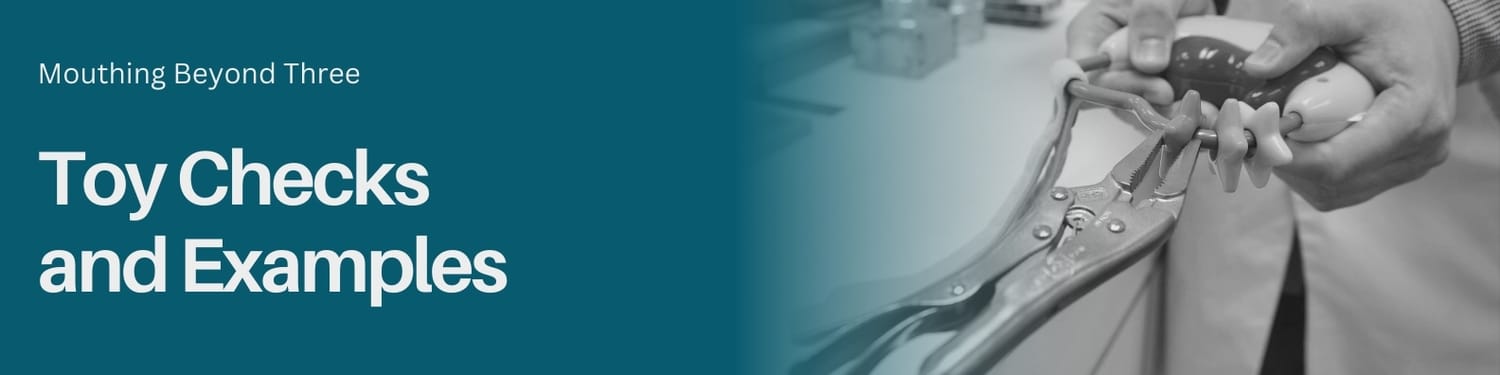
Regular safety checks are essential when someone mouths objects intensively. This video demonstrates practical inspection techniques and shows real examples of toys in various conditions – from safe to definitely unsafe.
Quick safety check routine:
Small parts test: Use toilet roll tube or Small Parts Cylinder
Physical inspection: Check for cracks, loose parts, sticky surfaces
Battery compartments: Ensure batteries are never easily accessible
Smell test: Weird smells can indicate bacteria buildup or material degradation
How often to check:
Daily: Items mouthed intensively throughout the day
Weekly: Deep clean and inspect all mouthed items
Immediately: After items are dropped on dirty ground or visibly soiled
Monthly: Full toy safety audit of all accessible items
Signs a toy is no longer safe:
Surface is peeling or flaking
Surface is softer or sticky
Parts are loose or coming off
Material has faded or changed colour
Smells strange or chemical
Has any cracks or visible damage
Battery compartment is loose or damaged
Remember: Materials break down faster with constant mouthing. Saliva, chewing, and temperature changes damage toys. A toy that was safe last week might not be safe today.
Do not donate unsafe toys – dispose of them properly to protect other families.
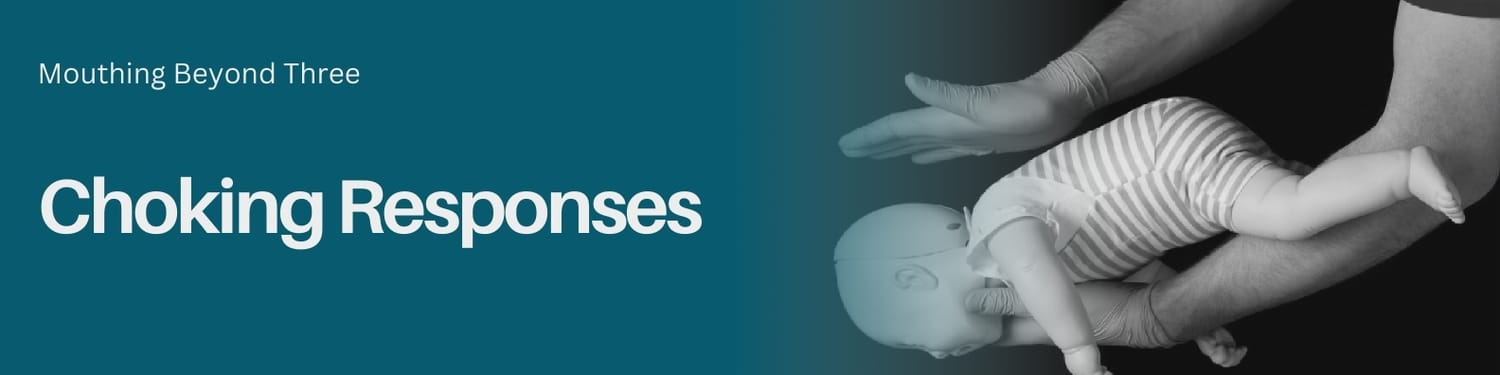
Knowing the difference between gagging and choking can save a life. This video provides clear demonstrations of emergency response techniques and helps you recognise when immediate action is needed.
Gagging vs Choking:
Gagging is the body's natural protective reflex – it means the reflexes are working. Signs include making noise (coughing, crying, retching), skin might go red, tongue pushes forward, eyes watering, and the person can still breathe. Stay close and observe calmly. Allow their reflexes to clear the object. Be ready to act if signs change to choking.
Choking means the airway is blocked and breathing is prevented – this is a life-threatening emergency. Signs include being silent or very quiet (cannot cry, speak, or cough), skin/lips/fingernails turning blue or grey, clutching their throat (universal choking sign), and a look of panic or terror. Begin first aid immediately.
Learning through reading if ok, but to be better prepared, you should consider attending one of the local Mini First Aid courses for families:
https://www.minifirstaid.co.uk/classes
Join your local Mini First Aid course to practise these techniques on training manikins and build muscle memory. Thousands of lives are saved each year by people who learned first aid.
Video production by Cameron Jones

Toy safety is a dynamic process, rather than a single rule. Each child, family, space, toy and situation is different, so I am not teaching rules, but skills for making safety decisions in a moment. ToyScope is a passion project. Nothing on this site is for sale. Everything here is free to use, copy and adapt, including in school and workplace training. Please don't resell it.